
Dallas Roll-Off Dumpster Weight Limits & Overage Fees
· 9 min read
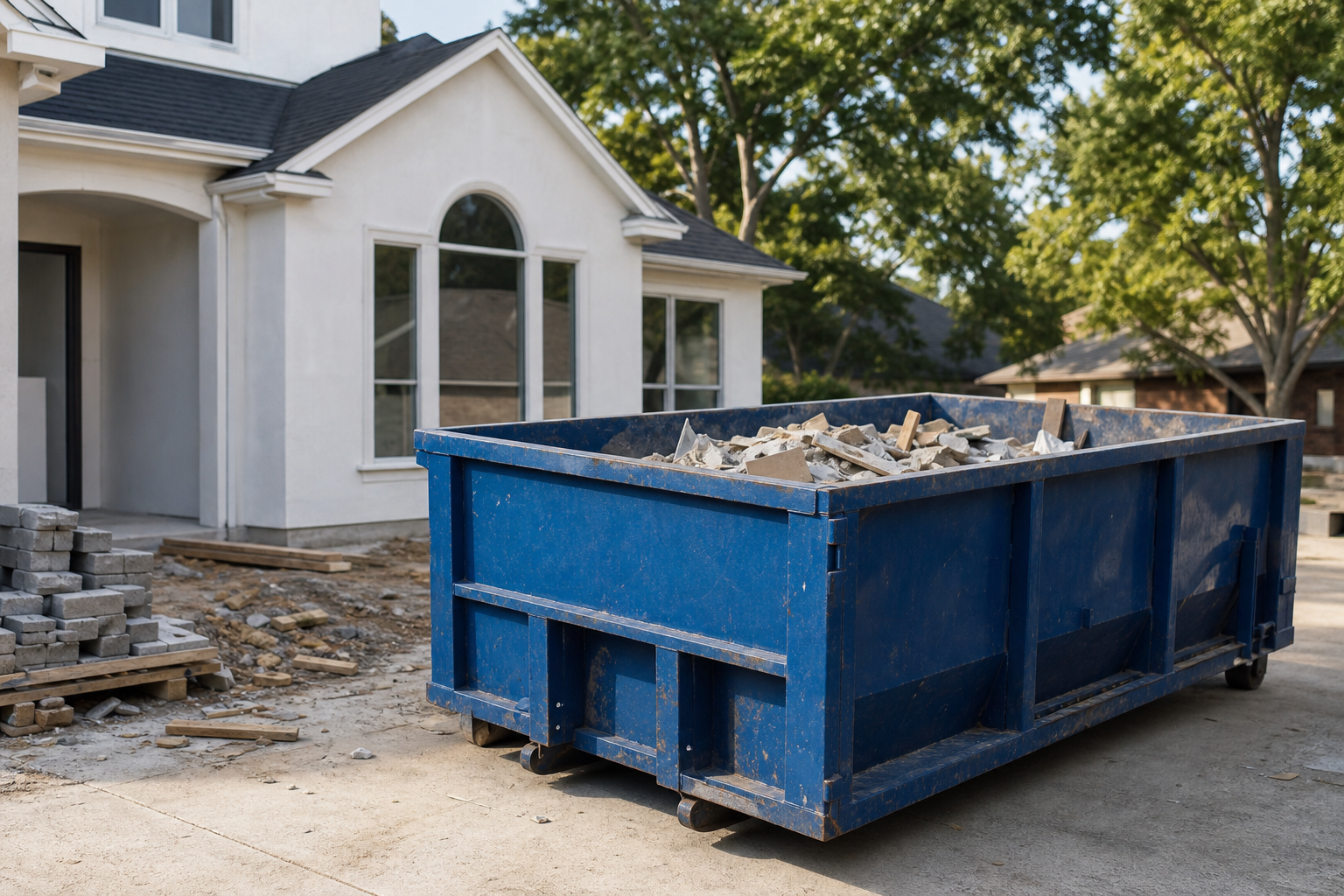
Learn weight limits and overage fees for Dallas roll-off dumpsters, including tips for heavy debris, roofing, concrete, and DFW cleanup projects.
A dumpster that looks only half full can still be heavy enough to trigger additional disposal charges. For homeowners, contractors, landlords, and property managers, understanding weight limits and overage fees for Dallas roll-off dumpsters is just as important as choosing the right container size. Concrete, roofing shingles, dirt, wet yard debris, and renovation debris can add weight quickly—even on a small project in Dallas, Richardson, Plano, or Forney.
Dallas Dumpster Rentals provides 10-, 15-, and 20-yard roll-off dumpsters for projects across the DFW area. Before you load, take a few minutes to plan for material weight, approved debris, and safe fill levels. For help selecting a container for your cleanup, renovation, or construction project, review the local dumpster rental planning resources before scheduling delivery.
Why Weight Limits and Overage Fees for Dallas Roll-Off Dumpsters Matter
Roll-off dumpsters are priced around more than container volume. Disposal facilities weigh each loaded truck, and the final disposal cost depends on the type and total weight of the debris being hauled. That is why weight limits and overage fees for Dallas roll-off dumpsters should be discussed before a container arrives at your home, jobsite, rental property, or commercial location.
Your quoted rental typically identifies the container size, rental period, delivery area, and included disposal allowance. If the loaded dumpster weighs more than the included allowance, an overage fee may apply for the additional disposal weight. The exact included weight and overage rate should always be confirmed with Dallas Dumpster Rentals for your specific order and material type.
This matters throughout North Texas because projects vary widely. A garage cleanout near White Rock Lake may consist mostly of furniture and boxes, while a driveway demolition in Garland or a roofing tear-off near Rockwall may produce dense, heavy debris. Both jobs may use a roll-off dumpster, but they should not be loaded or quoted the same way.
Volume and Weight Are Different Measurements
A 10-yard, 15-yard, or 20-yard dumpster measures how much space debris occupies. It does not guarantee how much weight can be disposed of without additional charges. Lightweight materials can fill a large container without reaching the included weight allowance. Heavy materials can reach the allowance long before the dumpster looks full.
| Material Category | Typical Weight Concern | Local Project Examples |
|---|---|---|
| Household junk | Usually bulky and moderate in weight | Move-out cleanouts in Addison, Murphy, or University Park |
| Yard waste | Can become heavy when wet or mixed with soil | Storm cleanup in Wylie, Sunnyvale, or Seagoville |
| Roofing debris | Dense material that adds weight fast | Roof replacement projects in Plano, Allen, or Sachse |
| Concrete, brick, dirt, and tile | Very dense; requires special planning | Patio, landscape, and demolition work in Cedar Hill or DeSoto |
| Remodeling debris | Weight depends on drywall, flooring, lumber, and fixtures | Kitchen and bath renovations in Highland Park or Dallas |
How Weight Limits and Overage Fees for Dallas Roll-Off Dumpsters Work
The process is straightforward: the hauler takes the loaded container to an approved disposal facility, where the truck is weighed. The disposal facility determines the actual load weight. If that weight exceeds the allowance included in your rental agreement, the extra disposal amount may be billed as an overage.
Because disposal charges can vary by facility, waste stream, and material, there is no responsible one-size-fits-all estimate for every Dallas project. The best way to avoid surprises with weight limits and overage fees for Dallas roll-off dumpsters is to describe your debris accurately when booking. Mention whether you expect shingles, tile, dirt, concrete, bricks, tree trunks, construction waste, appliances, or ordinary household clutter.
Questions to Ask Before Delivery
- What disposal weight is included with my selected dumpster rental?
- What is the overage charge if my load exceeds that allowance?
- Are concrete, dirt, brick, shingles, or other dense materials accepted in this container?
- Should heavy debris be placed in a smaller dumpster or kept separate from other waste?
- Are there materials that require special handling or cannot go in the dumpster?
- What is the maximum safe fill line for pickup?
These questions are especially useful for mixed-debris projects. A homeowner in Duncanville may be removing old carpet, cabinets, drywall, and a small amount of tile. A landlord in Lancaster may be clearing furniture and bagged trash after a turnover. The first load may be relatively predictable; the second can vary substantially based on what tenants left behind. Clear material descriptions help Dallas Dumpster Rentals recommend the most sensible option.
Heavy Materials That Commonly Cause Overage Charges
Most unexpected charges tied to weight limits and overage fees for Dallas roll-off dumpsters come from dense materials or from mixing dense debris into an otherwise ordinary cleanup load. Watch closely for the following items.
Concrete, Brick, Block, Dirt, and Rock
These materials are among the heaviest items placed in roll-off dumpsters. Small patio removals, broken sidewalks, landscape stone, clay soil, and masonry demolition can create a surprisingly heavy load. If you are working on a property in Balch Springs, Hutchins, or Cedar Hill, describe these materials before delivery rather than assuming they can be mixed into a general household junk container.
Do not overload a dumpster with dense debris. Even if material fits inside the container, the total load may exceed safe transport limits or the disposal allowance. Separate heavy debris when instructed, and never stack material above the container rails.
Roofing Shingles and Tear-Off Debris
Roofing material is compact and heavy. Shingles, underlayment, nails, flashing, and damaged decking can accumulate quickly on homes throughout Dallas and surrounding cities such as Rowlett, Rockwall, Allen, and Forney. Tell the rental team the roof size, number of layers being removed if known, and whether decking or other construction debris will be included. That information is vital when discussing weight limits and overage fees for Dallas roll-off dumpsters.
Wet Yard Debris and Tree Waste
Fresh branches, logs, brush, grass clippings, soil, and sod are much heavier after rainfall. This is a practical consideration during North Texas storm cleanup and seasonal landscape projects. A load that seems manageable in dry weather can weigh substantially more after a storm in Richardson, Garland, Wylie, or Sunnyvale.
Keep dirt and sod separate when possible, avoid filling empty spaces with soil, and ask whether large logs or thick tree sections need a different loading plan. Yard waste can also shift inside the container, so distribute it evenly instead of building one high pile.
Choose the Right Dumpster Size Without Guessing
Choosing a larger container can help with volume, but it does not eliminate weight considerations. The right choice depends on both the amount of debris and what the debris is made of. For example, a 20-yard dumpster may be suitable for a large cleanup with furniture, cardboard, wood, and general construction debris, while a smaller container may be more appropriate for a concentrated load of dense materials.
- 10-yard dumpster: Often practical for small cleanouts, limited remodeling waste, or compact projects where driveway space is tight.
- 15-yard dumpster: A flexible choice for mid-size cleanouts, flooring removal, room renovations, and moderate household debris.
- 20-yard dumpster: Useful for larger cleanouts, renovation debris, estate clearances, and projects with substantial volume.
For properties around Uptown Dallas, Oak Lawn, Lower Greenville, or established neighborhoods in University Park and Highland Park, placement can be as important as capacity. Measure the driveway or designated placement area, keep vehicles clear for delivery, and ensure the dumpster will not block normal access. If your project has a significant amount of masonry, soil, shingles, or demolition material, make that the first topic of the booking conversation.
Practical Ways to Avoid Overage Fees
Careful loading and honest material planning are the most reliable ways to manage weight limits and overage fees for Dallas roll-off dumpsters. Use these steps before pickup day.
- Sort debris before loading. Put dense materials in a separate pile so you can accurately explain what needs disposal.
- Do not use the dumpster as a dirt or concrete catch-all. Heavy materials need prior approval and may need their own container plan.
- Keep prohibited items out. Hazardous materials, liquids, batteries, chemicals, and other restricted items can create additional handling issues.
- Load evenly. Spread material across the bottom rather than concentrating all heavy debris on one side.
- Stay below the top rail. Overfilled dumpsters can be unsafe and may not be transportable.
- Do not let neighbors add unknown debris. An unattended container can quickly gain extra weight from unauthorized dumping.
- Call before you exceed the plan. If a cleanup expands, ask Dallas Dumpster Rentals about the best next step before adding heavy materials.
For a kitchen renovation in Plano or a rental cleanout in Seagoville, it can be tempting to throw every leftover item into one container. But old countertops, tile, cast-iron fixtures, bags of soil, and broken masonry can change the weight profile quickly. Planning ahead is usually easier than resolving an unexpected overage after disposal.
Placement, Loading, and Pickup Considerations in DFW
Dallas-area projects have different access conditions. Narrow residential streets in older Dallas neighborhoods, suburban driveways in Murphy and Sachse, and active commercial areas near Addison can all affect delivery and loading plans. Have a clear, level space ready and move cars, trailers, basketball goals, and other obstacles before the truck arrives.
If your project is near a busy road, an HOA-managed neighborhood, or a multi-unit property, verify placement rules in advance. A dumpster placed in a driveway is often simpler than one placed in a street, but local requirements and property conditions differ. Planning placement correctly helps prevent rushed loading, which can lead to uneven loads or debris piled above the rim.
FAQ: Weight Limits and Overage Fees for Dallas Roll-Off Dumpsters
How can I find out the included weight for my Dallas dumpster rental?
Ask Dallas Dumpster Rentals when you request a quote or book your container. Provide the dumpster size, delivery city, and a detailed description of your debris. The included allowance and any applicable overage rate should be confirmed for your specific rental.
Can I put concrete or dirt in a roll-off dumpster in Dallas?
Concrete, dirt, brick, rock, and similar dense materials require advance discussion because of their weight. Contact Dallas Dumpster Rentals before loading these materials, especially for projects in Dallas, Garland, Richardson, Cedar Hill, or nearby cities.
Will a half-full dumpster avoid overage fees?
Not necessarily. A half-full container of roofing shingles, soil, tile, concrete, or wet debris may weigh more than a full container of lightweight household items. Weight limits and overage fees for Dallas roll-off dumpsters are based on disposal weight, not visual fullness.
What happens if debris sticks above the top of the dumpster?
For safe transport, debris should remain below the top edge of the container. Loads that are overfilled, unstable, or unable to be covered securely may require material to be removed before pickup.
Do I need to estimate every item before renting a dumpster?
You do not need a perfect inventory, but you should identify the main materials honestly. Mention heavy items, renovation debris, roofing waste, appliances, yard waste, and any material you are unsure about. A clear description supports better guidance on container size and weight limits.
Get Clear Answers Before You Load
Whether you are cleaning out a garage in Forney, remodeling a home in Dallas, replacing a roof in Rockwall, or managing a property turnover in Lancaster, understanding weight limits and overage fees for Dallas roll-off dumpsters helps you budget and load with confidence. Dallas Dumpster Rentals serves Dallas and surrounding communities including Richardson, Plano, Rowlett, Allen, Garland, Wylie, Sachse, Murphy, Sunnyvale, Balch Springs, Seagoville, Hutchins, DeSoto, Duncanville, Cedar Hill, Addison, Highland Park, University Park, and more.
Describe your debris, ask about the included weight allowance, and reserve the right-size 10-, 15-, or 20-yard container for your project. When you are ready to coordinate your dumpster rental needs across the DFW service area, schedule your project consultation and get the information you need before loading begins.
Need a roll-off dumpster in the Dallas area?
15 and 20-yard dumpsters delivered across DFW. Call (972) 645-6731 or book online.